
Beyond Clean Beauty: Why Sustainability Matters in Skincare
Over the last decade, “clean beauty” has become a buzzword. Consumers scan ingredient lists, avoid parabens, and search for plant-based formulas. But beauty that is only “clean” isn’t enough anymore. The bigger question today is: what impact does your skincare have on the planet?
Clean Isn’t the Finish Line
Clean beauty focuses on what’s inside the bottle—no harmful chemicals, no controversial preservatives, no questionable synthetics. That’s important, but it’s only one part of the story. A product can be free from toxins yet still cause harm through its packaging, sourcing, or manufacturing process.
The Packaging Problem
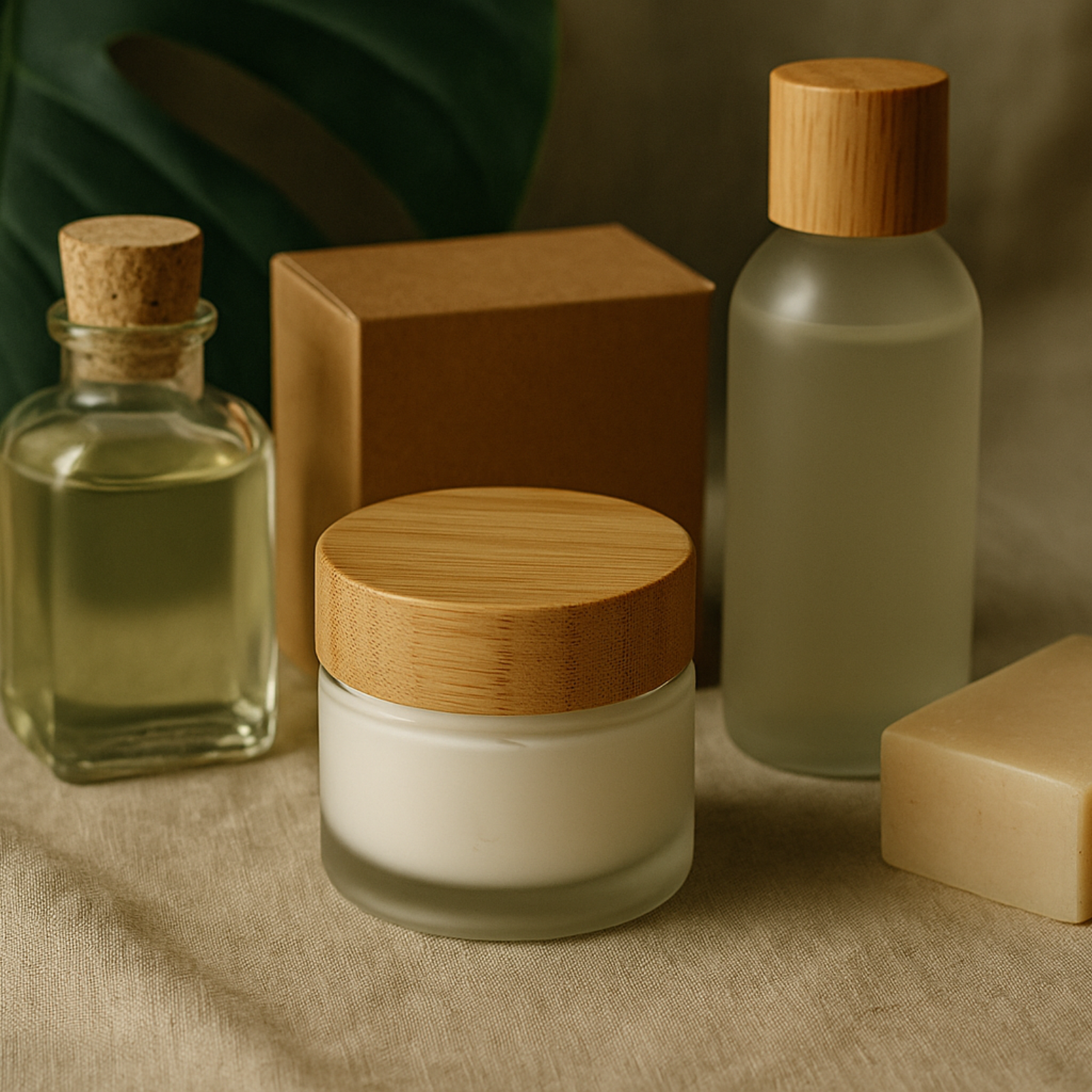
Beauty generates over 120 billion units of packaging waste every year. Think about the jars, tubes, pumps, and boxes piling up. Many of these materials aren’t recycled properly, ending up in landfills or oceans. Choosing glass, bamboo, aluminum, or biodegradable resins instead of single-use plastic is no longer a “nice to have”—it’s essential.
Responsible Ingredients
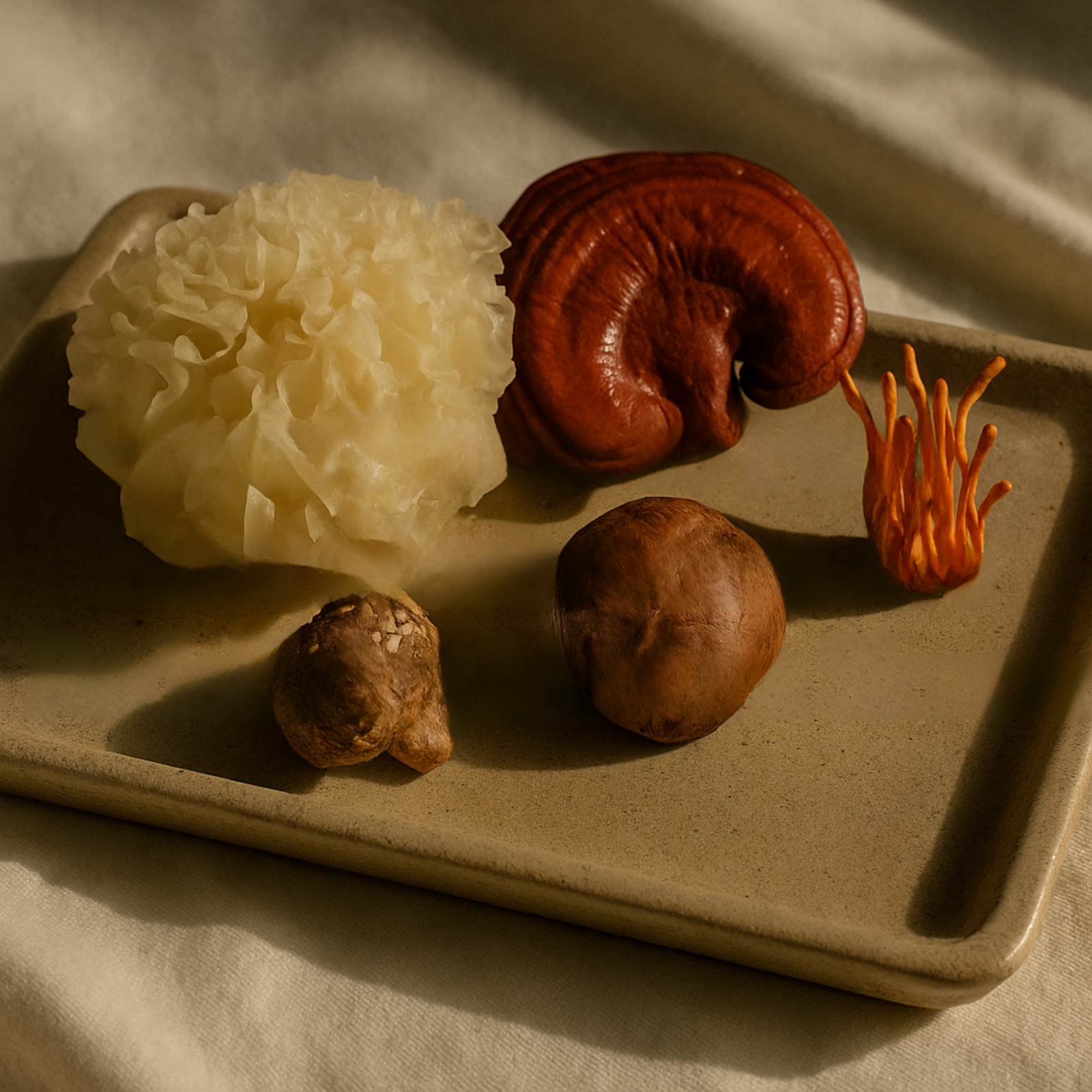
Sustainability also means asking: where do ingredients come from? Are botanicals harvested in a way that protects biodiversity? Are communities fairly compensated? Mushrooms grown in vertical farms, for example, use less land and water while creating powerful actives for the skin. This is the kind of circular thinking that makes beauty not just safe, but restorative.
Carbon Footprints in the Beauty Aisle
Shipping, energy use, and water consumption all play a role. Brands that use renewable energy, optimize local sourcing, or invest in refill systems reduce their environmental impact while still delivering high-performance products.
Why It Matters to You
Consumers are more conscious than ever. Choosing sustainable skincare isn’t just about protecting your skin barrier; it’s about protecting the Earth’s barrier too. When you buy from brands that embrace zero-waste packaging, ethical sourcing, and eco-friendly innovation, you’re voting for a future where beauty supports both people and planet.
The COCCH. Perspective
At Cocch., sustainability isn’t an afterthought—it’s built into every choice. From bamboo caps and glass jars to ethically sourced actives, we design products that let you glow without guilt. Because beauty should feel as good for the Earth as it does for your skin.
Research Links Supporting Claims
-
Beauty industry packaging waste (120 billion units/year): Reports by Zero Waste Europe and UNEP highlight excessive packaging waste from cosmetics and personal care.
-
Eco-friendly packaging materials (glass, aluminum, bamboo, bio-resins): Sustainable packaging reviews emphasize recyclability and lower environmental impact of these alternatives.
-
Sustainable mushroom cultivation (vertical farming, low resource use): LCAs and agri-research show fungi’s efficiency in controlled environments.
-
Carbon footprint in beauty (transport, water use, energy): McKinsey and LCA studies note high emissions in global beauty supply chains.
-
Consumer preference for sustainability in beauty: Market surveys (e.g., Nielsen, Accenture) confirm that younger consumers favor eco-conscious brands.