
Article: Ancient Ayurveda Meets Modern Science: The Future of Functional Wellness
Ancient Ayurveda Meets Modern Science: The Future of Functional Wellness
Ayurveda, often described as the world’s oldest system of holistic healing, has been guiding wellness practices for over 5,000 years. Rooted in balance—between body, mind, and nature—it offers timeless wisdom about herbs, diet, and lifestyle. But what happens when this ancient knowledge collides with the precision of modern science? The result is a powerful new wave of functional wellness that blends tradition with evidence.
Timeless Roots of Ayurveda
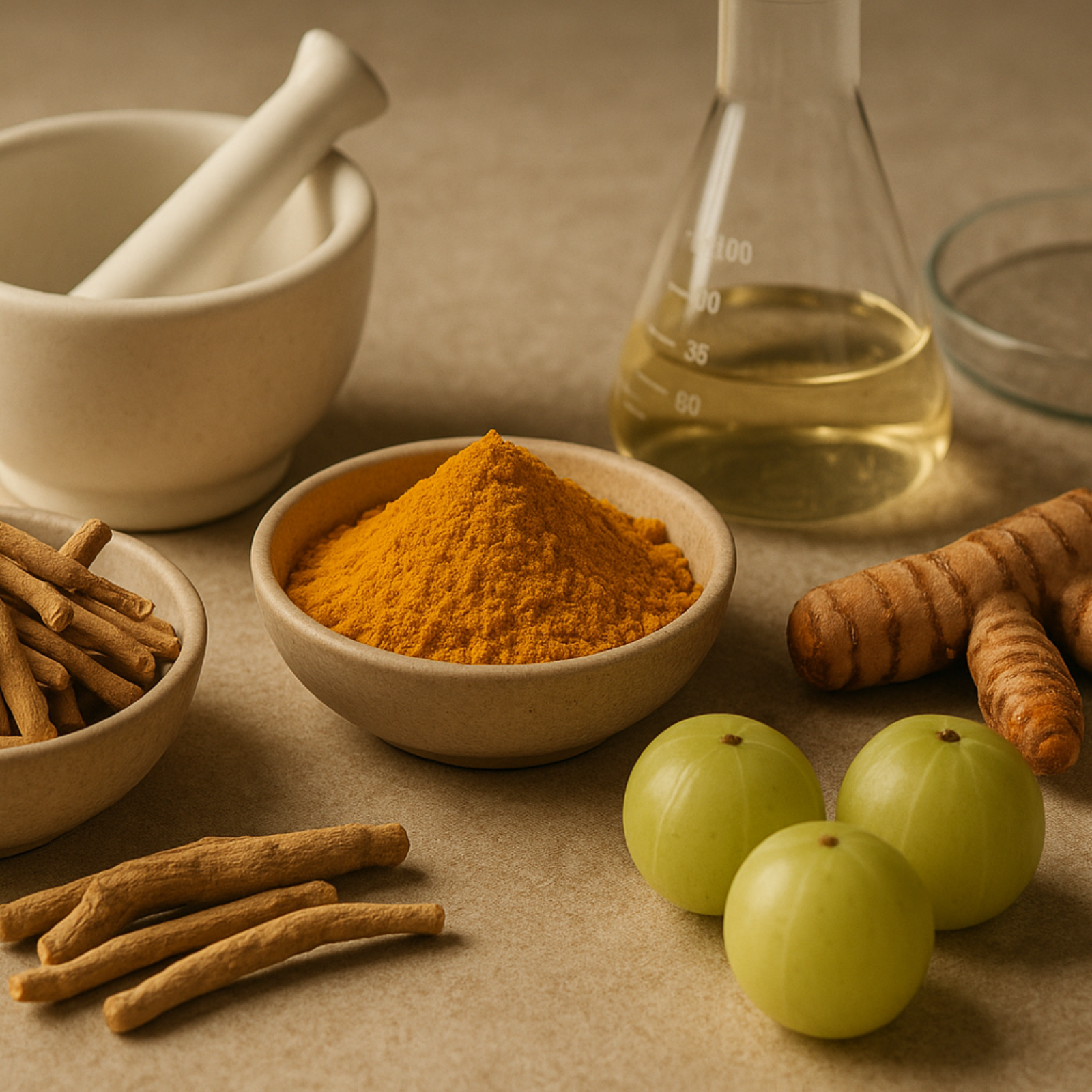
Ayurveda looks at health through balance—doshas (Vata, Pitta, Kapha), natural cycles, and food as medicine. Ingredients like Ashwagandha, Amla, and Turmeric have been used for centuries to restore vitality, improve digestion, and strengthen immunity. What’s remarkable is how these same herbs remain relevant today, even in the face of modern health challenges like stress, fatigue, and lifestyle disorders.
Science Catches Up
Modern clinical research is beginning to confirm what Ayurveda has always known. For example:
-
Ashwagandha has been shown in studies to reduce stress and cortisol levels.
-
Turmeric’s curcumin is recognized for its potent anti-inflammatory and antioxidant properties.
-
Amla (Indian gooseberry) is celebrated not only as a vitamin C powerhouse but also as a natural support for skin health and detoxification.
By putting these herbs under the microscope, science gives us measurable proof of their efficacy—bridging the gap between traditional belief and modern evidence.
Functional Formulations for Modern Needs
Today’s consumers don’t just want remedies; they want solutions tailored to modern life. That’s where functional formulations come in—powders, capsules, or drinks that integrate Ayurvedic herbs with advanced delivery systems like liposomal absorption, synergistic blends, or mushroom adaptogens. This makes the ancient herbs more bioavailable, potent, and convenient.
Wellness That’s Inclusive and Global
Functional wellness is no longer confined to India—it’s global. From yoga studios in New York to health cafés in Berlin, Ayurvedic herbs are blending with superfoods, probiotics, and clinical nutrition. It’s a cultural fusion that honors tradition while adapting it to contemporary lifestyles.
Why the Future Belongs to Fusion
Ayurveda brings wisdom. Science brings validation. Together, they create a wellness model that is holistic, credible, and future-ready. By respecting both the philosophy of balance and the rigor of clinical testing, we can craft products that not only heal but also inspire trust.
The COCCH. Vision
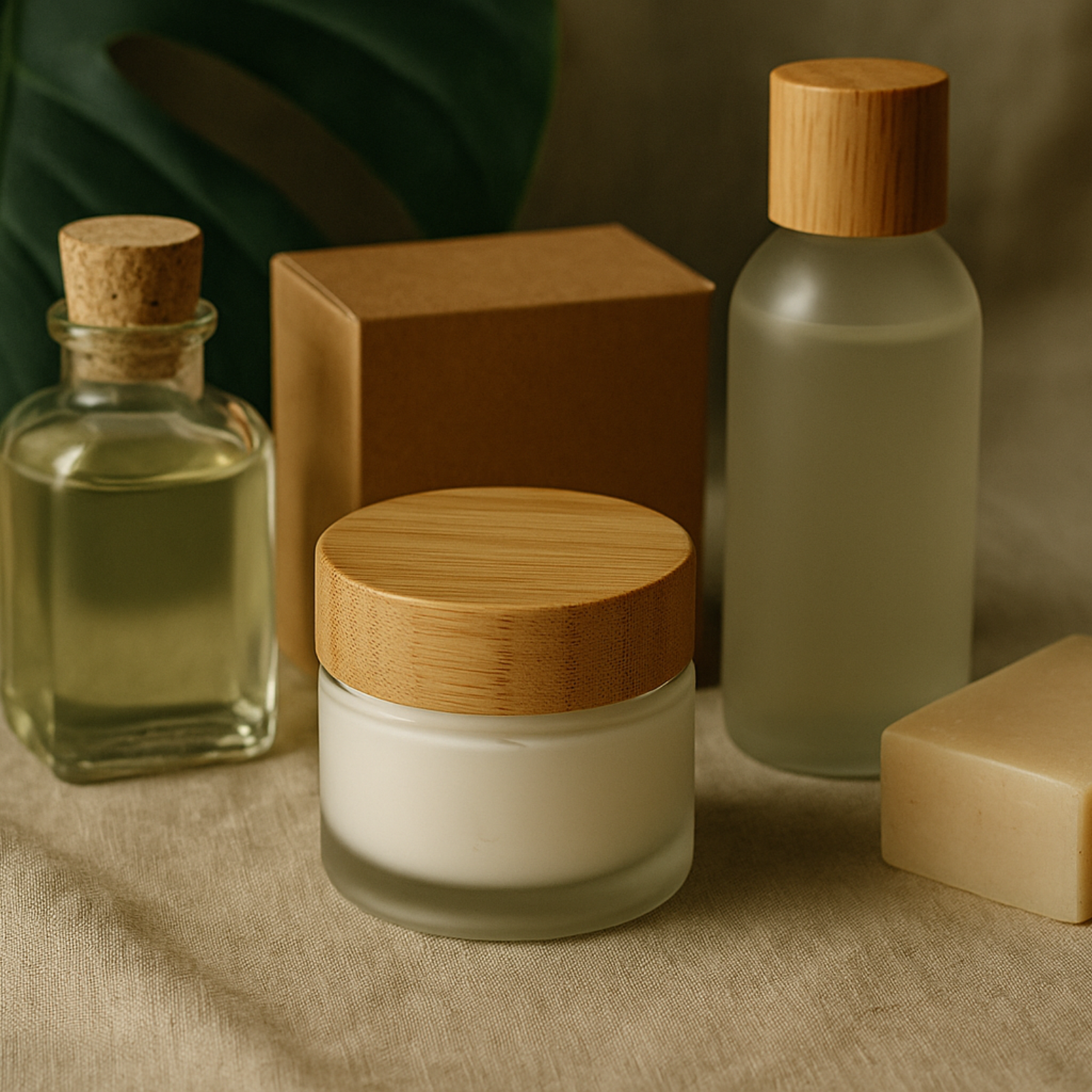
At COCCH., we see functional wellness as more than a trend—it’s a movement. By merging Ayurveda with modern scientific research, we create formulations that are rooted in authenticity yet backed by innovation. From adaptogenic drinks to skincare infused with Ayurvedic botanicals, we’re designing wellness that nourishes you from the inside out.
Research References
1. Ashwagandha & Cortisol Reduction (Stress Relief)
-
A double-blind randomized controlled trial demonstrated that a standardized Ashwagandha extract reduced plasma cortisol levels by up to 27.9% over 60 days in participants under stress. MDPI
-
A broader meta-analysis of several human trials confirms Ashwagandha’s stress-relieving effects, including lowering cortisol. BioMed CentralScienceDirect
2. Turmeric (Curcumin) – Anti-Inflammatory & Antioxidant Activities
-
Scientific reviews highlight curcumin’s anti-inflammatory and antioxidant properties, now supported by extensive biomedical research. PMC+1MDPI
-
Dermatology-focused reviews emphasize curcumin’s effectiveness in treating skin inflammation, premature aging, psoriasis, and acne, while protecting against UVB damage. MDPIFrontiers
3. Amla (Phyllanthus emblica) – Antioxidant & Skin-Protective Benefits
-
Laboratory studies show Amla contains rich antioxidant compounds such as gallic acid and ascorbic acid, which support immune health and digestion. PMC
-
Another study demonstrates Amla fruit extract helps shield skin cells (keratinocytes) from UVB-induced inflammation and apoptosis. MDPI
4. Liposomal (and Modern) Formulations – Enhanced Bioavailability
-
A comparative in vitro study found that liposomal curcumin shows significantly improved cellular uptake and stability over regular curcumin. iv.iiarjournals.org
-
A comprehensive review highlights how liposomal and other advanced delivery systems vastly enhance curcumin’s absorption and bioactivity. MDPIPMC